What Is Trading?
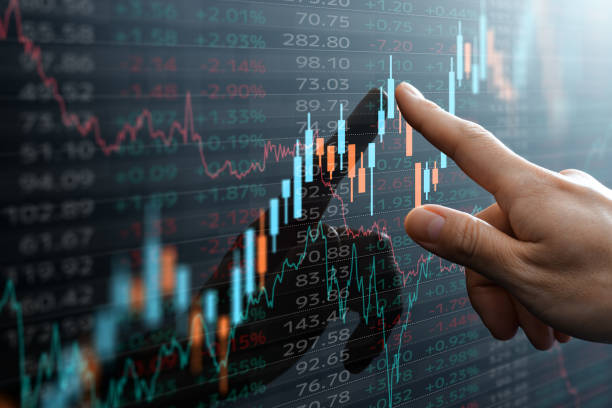
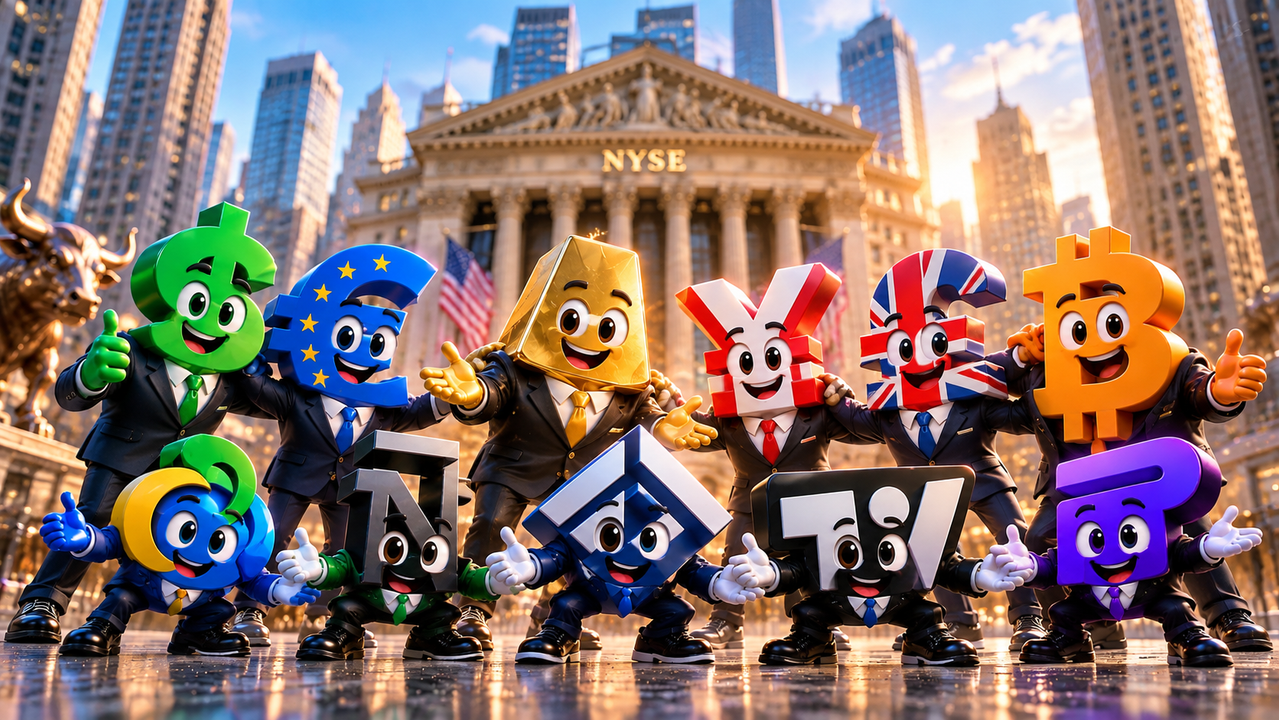
But simply, it means buying and selling financial assets with the aim of benefiting from changes in their prices. These assets can include company shares, currencies, commodities such as gold, and cryptocurrencies. Although trading platforms make placing an order look simple, making informed decisions requires understanding what you are buying, why its price might change, and how much you could lose.
Imagine buying ten shares in a company for €50 each and later selling them for €55 each. Your profit would be €50 before fees and taxes. However, if the price fell to €45 and you sold, you would lose €50. This basic example illustrates the uncertainty behind every trade: the market can move in either direction.
Trading and investing overlap, but they generally involve different approaches. Investors often hold assets for years, hoping to benefit from business growth, income, or long-term increases in value. Traders usually focus on shorter-term price movements, with positions lasting anywhere from seconds to several months. Both involve risk, and neither guarantees a return.
Financial markets also serve purposes beyond making trading profits. They help companies raise capital, allow investors to transfer ownership, and give businesses ways to manage changing prices or exchange rates. An airline, for example, may use financial contracts to help manage fuel costs. Trading is part of this wider system connecting businesses, institutions, and individuals.
Learn Before You Trade
A good trading journey starts with knowledge, not profits. Before thinking about how much you can make, you should understand how markets work, what you're trading and what risks you're taking.
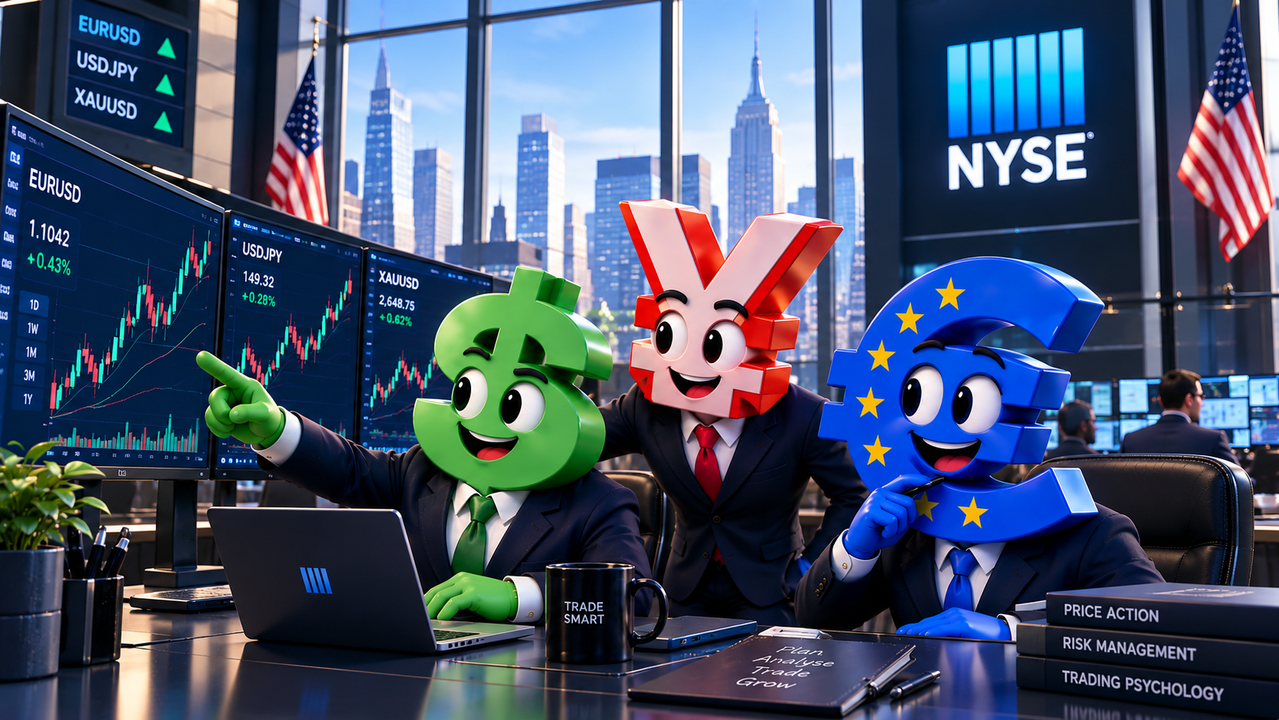
We make important concepts such as market analysis, risk management, trading psychology and strategy development easier to understand. You don't need to learn everything at once — build your knowledge one step at a time.
Trading isn't about finding a secret indicator or a strategy that never loses. Discipline, patience, risk management and consistency are fundamental parts of developing as a trader.
Avoid the Noise. Find Your Path.
A good trading journey starts with knowledge, not profits. Before thinking about how much you can make, you should understand how markets work, what you're trading and what risks you're taking.
We make important concepts such as market analysis, risk management, trading psychology and strategy development easier to understand. You don't need to learn everything at once — build your knowledge one step at a time.
Trading isn't about finding a secret indicator or a strategy that never loses. Discipline, patience, risk management and consistency are fundamental parts of developing as a trader.
| test1 | test2 | tes3 | |
|---|---|---|---|
| AAAAA1 | ttt1 | ttt2 | tttt3 |
| AAAAAA2 | r rrrtrhrhrhrhr3 | hhhhh4 | rrr2r |